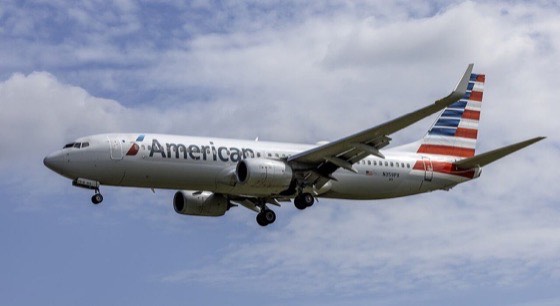
737 NG
737-600, -700, -800, -900ER
Two independent sources on every claim.
At a glance
- The NG fleet is where the bear strap cracking now driving MAX inspections first appeared, which makes this an active structures story rather than a legacy one.
- The FAA adopted a new Airworthiness Directive on 19 October 2026 requiring freeplay checks on the horizontal stabilizer pivot hinges and jackscrew, after multiple operators reported pitch oscillation events linked to a flutter risk. It reaches 1,987 US registered NG aircraft and does not apply to the MAX.
- The FAA also proposed a fan blade inspection on 27 October 2026 for every CFM56-7B, the NG's sole engine, after a blade separation breached a fuselage in flight and forced an emergency descent.
- An ANA Wings 737-800 shut down a right engine and returned to Naha, Okinawa, on 23 September 2026 after an in flight oil temperature and vibration event. The Japan Transport Safety Board has opened an investigation.
Type card
| Variants | 737-600, 737-700, 737-800, 737-900ER |
| Engines | CFM International CFM56-7B |
| Typical seating | 110 to 180 |
| Status | Out of production, in widespread service |
| Produced | 1997 to 2019, roughly 7,000 aircraft |
| Successor | 737 MAX |
Program and production
Production ended in 2019 and the programme is now entirely an in service and aftermarket story. That does not make it small. With roughly 7,000 aircraft built, the NG is still the backbone of short haul flying worldwide, and it will remain so for years given how slowly MAX deliveries are arriving.
The most consequential programme dynamic is indirect. Every month Boeing fails to stabilise MAX output at 47 per month is a month operators keep NG airframes flying past the retirement date they had planned. That pushes maintenance spend into airframes originally scheduled to leave the fleet, and it sustains demand for parts and engine overhaul capacity that the market is already struggling to supply.
Passenger to freighter conversion continues to take mid life 737-800 airframes out of the passenger market. The 737-800BCF and competing conversion programmes have given the type a second career, which supports residual values and keeps used airframes scarce.
Technical and maintenance
The structural item worth your attention is the bear strap cracking at the forward galley door cutout.
In plain terms
A bear strap is a reinforcing strip around a fuselage cutout. Cutting a door into the skin interrupts the load path, and the bear strap carries that load around the opening. Cracking there is a primary structure concern, not a cosmetic one.
This cracking was first reported on the NG fleet. The FAA's August 2026 directive against the MAX family, covering 471 US registered aircraft and about 1,429 worldwide, was issued precisely because the MAX shares the NG fuselage design and assembly process. In other words, the MAX inspection campaign exists because of what operators found on NG airframes.
If you work a mixed NG and MAX fleet, that shared lineage is the practical point. The inspection technique, the repair history question and the on condition actions are closely related across both families.
On the line
Pull maintenance records for any existing repair in the forward galley door region before scheduling the inspection. A previous repair changes what the task asks for and can change the interval. On high cycle NG airframes, particularly short sector 737-800s, the forward fuselage deserves attention at the next scheduled opportunity rather than at the outer limit.
The FAA adopted AD 2026-20-14 on 19 October 2026, covering 737-600, 737-700, 737-700C, 737-800, 737-900, and 737-900ER aircraft, effective 23 November 2026. It follows reports from multiple operators of pitch oscillation events traced to wear in the horizontal stabilizer's pivot hinges and jackscrew, a condition the FAA said could progress to a flutter event and loss of control if left unaddressed. The directive requires measuring freeplay at both pivot hinges and the jackscrew under Boeing Alert Requirements Bulletin 737-55A1104 RB, with repair or replacement to follow depending on the reading. The FAA put the affected fleet at 1,987 US registered aircraft and said the 737 MAX is not included, since its stabilizer assembly differs. The agency turned down requests from United, Alaska, and Canadian North to loosen the compliance schedule, though it said it would weigh individual extension requests backed by evidence.
On the line
This is a measurement task before it is a parts task. Check fleet serial numbers against the bulletin's effectivity list now, since the window to the 23 November 2026 compliance date is short, and plan for a repeat measurement interval on any aircraft that reads high on the first check rather than assuming one pass clears it.
Separately, the FAA proposed a new fan blade inspection on 27 October 2026 for every CFM56-7B, the NG's sole engine, after a blade separated in flight, breached a fuselage and forced an emergency descent. Comments close 27 November 2026. See the CFM56 engine page for detail.
The FAA continues to require repetitive inspections of the fuselage skin and structure around the aft drain mast for cracking and corrosion on the earlier 737 Classic series.
On the powerplant side, the CFM56-7B is in a demand squeeze. Industry reporting on engine stand utilisation in 2026 puts the CFM56-7B, CFM56-5A and 5B, and the V2500 at the centre of shop visit demand, driven by ageing fleets and the complexity of the work. Stand availability and slot scheduling are real constraints, and turn times reflect that. Plan removals earlier than historical norms would suggest.
Orders and operators
The NG has no order book. What matters instead is the shape of the in service fleet.
CFM56 powered flights have fallen from about 43 percent of A320 and 737 family activity in 2024 to around 42 percent in 2026, a slow decline that reflects fleet renewal rather than collapse. The comparison is a useful reality check against the assumption that the previous generation narrowbody is disappearing quickly. It is not.
Southwest, Ryanair, American, United and Delta remain the largest operators of the 737-700 and 737-800 in the United States and Europe. Lessors continue to place mid life NG airframes with operators in markets where new delivery slots are simply unavailable before the 2030s.
Safety
An ANA Wings 737-800 operating flight NH1502 suffered a right engine oil temperature and vibration event shortly after departing Naha Airport, Okinawa, on the evening of 23 September 2026. The crew shut the engine down and returned to Naha, where the aircraft was evacuated on the taxiway. Three passengers sustained minor injuries.
In plain terms
A serious incident is a formal classification the Japan Transport Safety Board uses for an event that came close to becoming an accident without one occurring. It triggers a full investigation, comparable in rigour to an accident inquiry, even though this flight ended safely.
The Japan Transport Safety Board rated the event a serious incident and has opened an investigation. No cause has been confirmed. Treat this as an open matter rather than a finding.
The bear strap cracking is being managed through continued airworthiness action rather than accident investigation. No other NG hull loss or serious incident opened a new investigation in this period.
Sources
- Federal Register, "Airworthiness Directives; The Boeing Company Airplanes", AD 2026-20-14, docket FAA-2025-5403, published 19 October 2026. https://www.federalregister.gov/documents/2026/10/19/2026-21333/airworthiness-directives-the-boeing-company-airplanes
- Simple Flying, "Nearly 2,000 Boeing 737s Must Get Tail Inspections After Jets Pitched Up And Down Mid-Flight", October 2026. https://simpleflying.com/nearly-2000-boeing-737-tail-inspections-faa/
- AeroTime, "FAA orders inspections of nearly 2,000 Boeing 737NGs", October 2026. https://www.aerotime.aero/articles/faa-boeing-737ng-stabilizer-inspections
- Federal Register, "Airworthiness Directives; The Boeing Company Airplanes", AD docket FAA-2026-2726, published 6 August 2026. https://www.federalregister.gov/documents/2026/08/06/2026-15936/airworthiness-directives-the-boeing-company-airplanes
- Federal Register, "Airworthiness Directives; CFM International, S.A. Engines", proposed rule 91 FR 67532, published 27 October 2026. https://www.federalregister.gov/documents/2026/10/27/2026-21852/airworthiness-directives-cfm-international-sa-engines
- AeroTime, "New FAA directive requires checks on 471 Boeing 737 MAX jets", August 2026. https://www.aerotime.aero/articles/new-faa-airworthiness-directive-requires-checks-boeing-737-max-aircraft
- Aviation News Europe, "FAA Orders Structural Inspections for 471 Boeing 737 MAX Aircraft", August 2026. https://aviationnews.eu/news/2026/08/faa-orders-structural-inspections-for-471-boeing-737-max-aircraft/
- Aviation Pros, "Engine Stand Utilization Report: How the Engine Maintenance Cycle Impacts Commercial Aviation", 2026. https://www.aviationpros.com/aircraft-maintenance-technology/engines-parts/article/55397945/engine-stand-utilization-report-how-the-engine-maintenance-cycle-impacts-commercial-aviation
- ePlaneAI, "Airbus A320 Engine Market Shifts as Leap and GTF Gain Share While CFM56 Declines", 2026. https://www.eplaneai.com/news/airbus-a320-engine-market-shifts-as-leap-and-gtf-gain-share-while-cfm56-declines
- The Japan Times, "ANA plane makes emergency landing at Naha Airport", 24 September 2026. https://www.japantimes.co.jp/news/2026/09/24/japan/ana-plane-emergency-landing-naha/
- TRAICY Global, "ANA Flight Makes Emergency Landing at Naha Airport After Right Engine Malfunction", 24 September 2026. https://en.traicy.com/posts/2026092440346/
Recent stories
- FAA proposes CFM56-7B fan blade inspections after a fuselage breach (27 October 2026)
- FAA orders stabilizer checks on nearly 2,000 Boeing 737NGs over flutter risk (19 October 2026)