Engines · Pratt and Whitney
PW1000G geared turbofan
PW1100G, PW1500G, PW1700G, PW1900G
At a glance
- The powder metal inspection campaign remains the largest single fleet disruption in commercial aviation since the 737 MAX grounding.
- Roughly 770 GTF powered aircraft were in storage at the end of 2025. Groundings fell about 15 percent in the first quarter of 2026 as shop capacity ramped.
- Shop turnaround on an affected engine still runs roughly 250 to 300 days, which is what creates the rolling pattern of groundings.
- The same defect requires inspections on the A220 and the Embraer E2, not just the A320neo.
Engine card
| Variants | PW1100G, PW1500G, PW1700G, PW1900G |
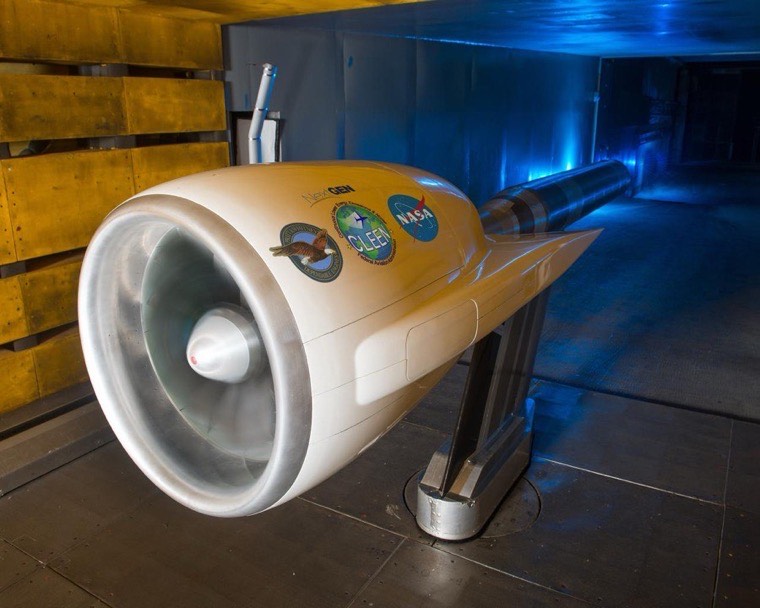
| Architecture | Geared turbofan, reduction gearbox between the fan and the low pressure spool |
| Thrust | 15,000 to 35,000 lbf |
| Applications | A320neo family, A220, Embraer E190-E2 and E195-E2 |
| Built by | Pratt and Whitney, part of RTX |
| Status | In production |
Program and production
The geared turbofan is a genuinely better idea than the engine it replaced. A reduction gearbox lets the fan turn slowly and the low pressure turbine turn fast, so each runs near its own best speed instead of compromising. The fuel burn gains are real.
The execution has been painful.
Pratt disclosed in 2023 that a rare powder metal defect could cause cracking in high pressure turbine and compressor discs. Contamination in some powder batches can seed a crack in a part spinning at very high speed in the hottest section of the engine. The response was a fleet wide inspection campaign covering 600 to 700 engines through 2026, touching roughly 38 percent of the global A320neo fleet.
Capacity became the binding constraint. The same industrial base that builds new engines also feeds the inspection and repair campaign, so Pratt had to choose between new build allocation and supporting customers' grounded fleets. It prioritised the grounded fleet, which was the right call for operators and a painful one for Airbus, whose A320neo ramp was scaled back as a direct result.
There is real improvement. RTX said in April 2026 that groundings are coming down as maintenance capacity ramps, helped by increased output of the critical components the repairs consume. Pratt aims to clear most of the backlog by the end of 2026. Industry observers expect genuine normalisation in 2027 or 2028, and planning against the later date is the safer assumption.
Technical and maintenance
In plain terms
Turbine and compressor discs are made by compacting metal powder at high temperature. If a powder batch carried contamination, a microscopic inclusion can sit inside the finished disc and start a crack. Affected engines have to come off the wing and be inspected whether or not anything is actually wrong with them, because the defect is invisible from outside.
On the line
The exposure is the length of the shop visit, not the inspection itself. At 250 to 300 days, a single unplanned removal can take an aircraft out of service for most of a year if no spare engine is available. Spare engine and lease engine access is therefore the planning problem to solve first, ahead of inspection scheduling. Confirm your engine serial numbers against the affected population rather than assuming by aircraft delivery date.
The squeeze has produced behaviour that tells you how tight things became. Operators have been cannibalising nearly new A321neos for engines and components, and at least one carrier failed during 2026 with GTF groundings cited as a contributing factor.
Smaller operators are disproportionately exposed. A220 and E2 fleets tend to be small, with thin spare engine pools, so the same turnaround length that a large A320neo operator can absorb across a fleet becomes an aircraft on ground problem for them.
Applications and fleet
The PW1100G competes with the CFM LEAP-1A on the A320neo family. The PW1500G is the sole engine on the A220 and the PW1900G the sole engine on the E190-E2 and E195-E2, which means those programmes have no alternative to switch to.
That sole source position is why the A220 and E2 pages read the way they do. An engine problem on a twin sourced airframe is a commercial disadvantage. On a sole sourced airframe it is the programme's problem too.
Safety
No significant developments since 11 October 2026.
The powder metal campaign is being managed as a continued airworthiness and reliability matter. No accident investigation involving the family opened in this period.
Sources
- FlightGlobal, "RTX says GTF groundings are coming down thanks to maintenance ramp", April 2026. https://www.flightglobal.com/engines/2026/04/rtx-says-gtf-groundings-are-coming-down-thanks-to-maintenance-ramp/
- The Air Current, "Caught between Airbus and airlines, Pratt prioritizes the grounded fleet", 2026. https://theaircurrent.com/engine-production/pratt-airbus-airlines-gtf-prioritizes-grounded-fleet/
- RTX Investor Relations, "RTX provides update on Pratt & Whitney GTF fleet", 2026. https://investors.rtx.com/static-files/359baa3b-0f38-4949-8b62-d6cf02ebed0c
- AviTrader Aviation News, "Pratt & Whitney PW1000G in the Global Engine Crisis", 20 November 2025. https://avitrader.com/2025/11/20/unimaginable-and-unpredictable-nearly-new-airbus-a321neos-being-cannibalised-for-their-engines-and-components/
- Air Data News, "Powder metal issue with Pratt & Whitney GTF engine will also require inspections on the A220 and Embraer E2", 2026. https://www.airdatanews.com/powder-metal-issue-with-pratt-and-whitney-gtf-engine-will-also-require-inspections-on-the-a220-and-embraer-e2/
- Air Data News, "Airbus targets around 870 deliveries in 2026 as engine issues slow A320neo ramp-up", 2026. https://www.airdatanews.com/airbus-targets-around-870-deliveries-in-2026-as-engine-issues-slow-a320neo-ramp-up/