Airworthiness directive
FAA orders 787 fan cowl fix over dual engine shutdown risk
The FAA has finalized a fix for Trent 1000 powered 787s after finding a fan cowl gap that Boeing says could let one failed engine take down the other.
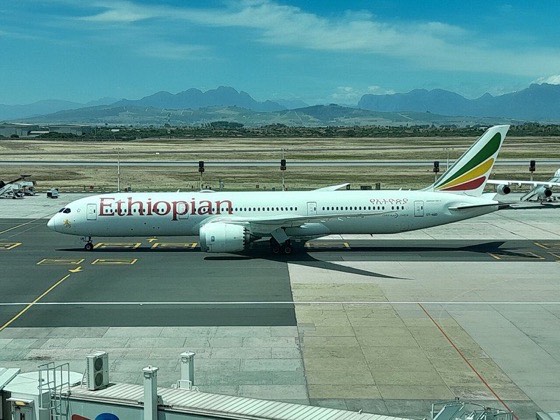
The FAA adopted Airworthiness Directive 2026-20-16 on 19 October 2026, requiring a records check or inspection of the right engine's fan cowl on Boeing 787-8, -9 and -10 airplanes fitted with Rolls-Royce Trent 1000 engines, the agency said in the Federal Register. The left fan cowl of the right engine does not sufficiently shield that engine's oil lines and its P30 pressure sense line from debris thrown across the airplane if the left engine's intermediate pressure turbine fails, the FAA said, and that exposure could cause an in-flight shutdown of both engines. Aviation Week Network and AeroCorner both reported the finalized rule, citing the same Federal Register document.
The FAA estimates the directive affects 22 US registered aircraft. Where the records check cannot confirm an unaffected part number, it requires a modification, at an estimated 6 work hours and 4,716 dollars in parts, or a replacement, at 2 work hours with parts cost not yet published. The rule takes effect 23 November 2026, and compliance follows Boeing's Special Attention Requirements Bulletin dated 19 February 2026, which calls for affected parts to be replaced by 2030.
In plain terms
On a twin engine airplane, each engine is normally shielded from the other, so a failure on one side cannot damage the other. The FAA's concern is that a broken intermediate pressure turbine on the left engine could throw debris far enough to damage lines on the right.
Boeing has not linked the gap to any in-service failure. The rule adopts the proposal published for comment on 7 August 2026 without substantive change.
On the line
Pull the right engine's fan cowl part number now rather than waiting for 2030. The directive gives no interim inspection to cover the gap, so an early swap closes the exposure rather than just the paperwork.
Sources
- Federal Register, "Airworthiness Directives; The Boeing Company Airplanes", AD 2026-20-16, docket FAA-2026-7233, published 19 October 2026. https://www.federalregister.gov/documents/2026/10/19/2026-21326/airworthiness-directives-the-boeing-company-airplanes
- Aviation Week Network, "FAA Proposes Rolls-Powered Boeing 787 Nacelle Changes", August 2026. https://aviationweek.com/air-transport/safety-ops-regulation/faa-proposes-rolls-powered-boeing-787-nacelle-changes
- AeroCorner, "FAA Finalizes 787 Fan Cowl Fix Over Cross-Engine Debris, As Proposed in August", 20 October 2026. https://aerocorner.com/news/faa-787-trent-1000-fan-cowl-final-ad/