Airworthiness directive
FAA orders 787 radio altimeter cable replacement over unreliable low altitude readings
The FAA has ordered airlines to replace radio altimeter cables on about 169 Boeing 787s after reports that the system gave unreliable altitude readings during approach and landing.
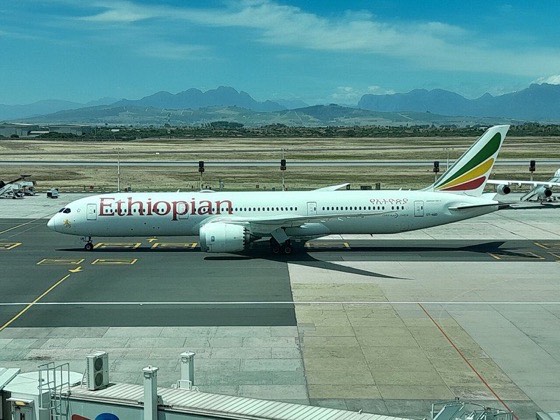
The FAA adopted Airworthiness Directive 2026-22-09 on 9 November 2026, requiring operators of certain Boeing 787-8, -9 and -10 airplanes to replace the coaxial cables feeding the low range radio altimeter. The rule finalizes a proposal first published for comment in February 2026 and takes effect 14 December 2026.
In plain terms
A radio altimeter measures the aircraft's exact height above the ground, rather than above sea level, and feeds systems such as the autopilot, autoland and ground proximity warnings during approach and landing. If the signal is unreliable, those systems cannot be trusted to behave correctly near the runway.
The FAA said reports showed the low range radio altimeter system was returning an increased rate of non computed data, meaning no usable height reading, at low altitude during approach and landing. The agency traced the cause to the cables carrying the signal rather than to the altimeter units themselves, and will require operators to replace the transmit and receive cables on both the left and right system with larger gauge cable, following a Boeing service bulletin issued in December 2024. The directive reaches an estimated 169 US registered aircraft and allows a five year compliance window. Some of the replacement cost may fall under Boeing's warranty.
Air Canada and United Airlines asked the FAA during the comment period to widen the directive to cover an improved revision of Boeing's bulletin. The FAA declined, noting Boeing had not yet released that revision, and limited the mandate to the bulletin actually in service.
On the line
This is a five year compliance item, not an emergency grounding, so there is no need to pull aircraft from the line over it. Check whether your 787s are on Boeing's affected list and plan the cable swap into a heavy check rather than scheduling a standalone visit.
Sources
- Federal Register, "Airworthiness Directives; The Boeing Company Airplanes", AD 2026-22-09, docket FAA-2026-1335, published 9 November 2026. https://www.federalregister.gov/documents/2026/11/09/2026-22817/airworthiness-directives-the-boeing-company-airplanes
- Federal Register, "Airworthiness Directives; The Boeing Company Airplanes" (proposed rule), docket FAA-2026-1335, published 24 February 2026. https://www.federalregister.gov/documents/2026/02/24/2026-03704/airworthiness-directives-the-boeing-company-airplanes