Engines · GE Aerospace
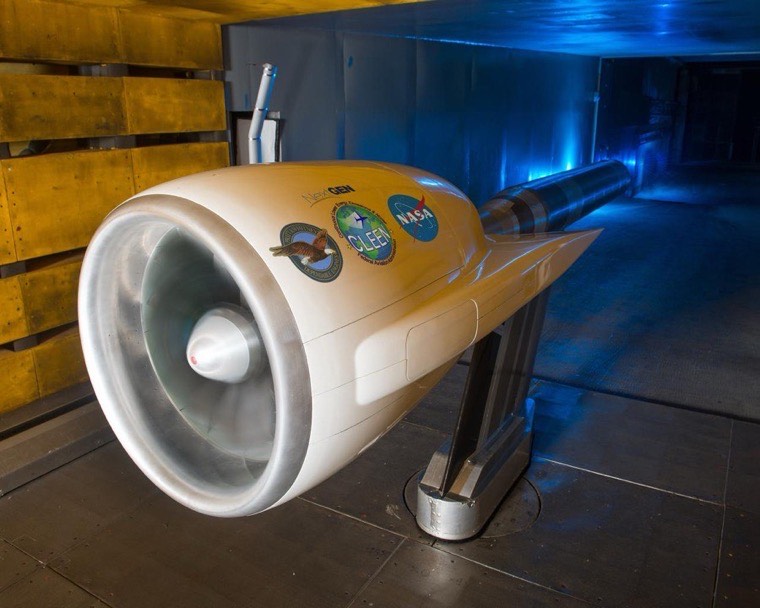
GEnx
GEnx-1B, GEnx-2B
At a glance
- GEnx supply was the direct cause of 787 output falling below its target rate of eight per month in the first quarter of 2026.
- Those delays have since eased and 787 output has recovered back toward eight, so the engine is no longer the binding constraint.
- The GEnx-1B took market share on the 787 while the Trent 1000 was in trouble, and Rolls-Royce's durability recovery is now aimed at winning it back.
- The GEnx-2B on the 747-8 benefits from sharing a family with the much larger 787 installed base.
Engine card
| Variants | GEnx-1B, GEnx-2B |
| Architecture | Two shaft turbofan, composite fan blades and case, bypass ratio around 9:1 |
| Thrust | 53,000 to 76,100 lbf |
| Applications | 787 Dreamliner on the GEnx-1B, 747-8 on the GEnx-2B |
| Built by | GE Aerospace |
| Status | In production |
Program and production
The GEnx is the engine that profited from someone else's problems and then hit a supply problem of its own.
When Trent 1000 durability failures grounded 787s, operators and prospective customers moved toward the GEnx-1B, and GE took the larger share of the 787 market as a result. That position is now under pressure as Rolls-Royce delivers durability upgrades that more than double Trent 1000 time on wing.
The more immediate issue in 2026 was output. GEnx deliveries fell behind, and because the GEnx powers the large majority of the in production 787 fleet, the shortfall went straight through to airframe completion. The 787 programme dropped below its target rate of eight per month in the first quarter as a direct result.
Those engine delays have since eased, and 787 output has recovered back toward eight per month. The remaining constraint on 787 deliveries is premium cabin seat supply rather than engines, which is a different problem with a different owner.
Technical and maintenance
In plain terms
The GEnx uses composite fan blades and a composite fan case rather than metal. That saves considerable weight and cannot crack by fatigue the way an aluminium or titanium blade can, but it changes damage assessment. Composite damage can be significant internally while barely visible on the surface, so inspection relies on instruments rather than the eye.
On the line
Treat fan blade and fan case damage assessment on this engine as a composite problem, not a metal one. A bird strike or ground impact that would leave an obvious dent in a metal blade may leave little surface evidence here while having separated internal plies. Follow the manufacturer's inspection method rather than visual judgement, and resist the instinct that an unmarked blade is an undamaged blade.
The GEnx-2B on the 747-8 shares a family with the GEnx-1B, which is a real advantage for a small freighter fleet. Parts commonality and shop capability flow from the much larger 787 installed base, which is something the CF6 powered 747-400 fleet does not have.
Applications and fleet
The GEnx-1B is one of two options on the 787, competing with the Trent 1000. The GEnx-2B is the sole engine on the 747-8.
The 747-8 fleet is small but active: 95 of the 107 747-8Fs built remain in service across nine cargo operators, with UPS the largest at 30 aircraft. With the 777-8F not delivering until 2028 and the A350F targeting late 2027, those aircraft will be flying for some years yet.
Safety
No significant developments since 11 October 2026.
No Airworthiness Directive of fleet wide significance was issued against the family in this period.
Sources
- Forecast International Flight Plan, "787 Instability Threatens Program's Ramp-Up Timeline", 28 May 2026. https://flightplan.forecastinternational.com/2026/05/28/787-program-instability-threatens-boeings-ramp-up-timeline-and-broader-commercial-aircraft-deliveries/
- AeroTime, "Boeing projects stronger 2026 deliveries for 737 and 787 jets", 2026. https://www.aerotime.aero/articles/boeing-projects-stronger-2026-deliveries-737-787-jets
- FlightGlobal, "Rolls-Royce readies roll-out of next Trent 1000 durability upgrade step", January 2026. https://www.flightglobal.com/engines/2026/01/rolls-royce-readies-roll-out-of-next-trent-1000-durability-upgrade-step/
- Simple Flying, "Which Airline Has The Largest Boeing 747 Fleet In 2026?", 2026. https://simpleflying.com/airline-largest-boeing-747-fleet-2026/