Engines · GE Aerospace
GE90 and GE9X
GE90-115B, GE9X-105B1A
At a glance
- The GE9X is certified and in production, but its airframe is not. The 777-9 will not be certified in 2026, pushing certification and first delivery into 2027.
- The FAA has granted Boeing an exemption allowing up to 35 more GE90 powered 777Fs to be sold through 2031, which extends GE90 production.
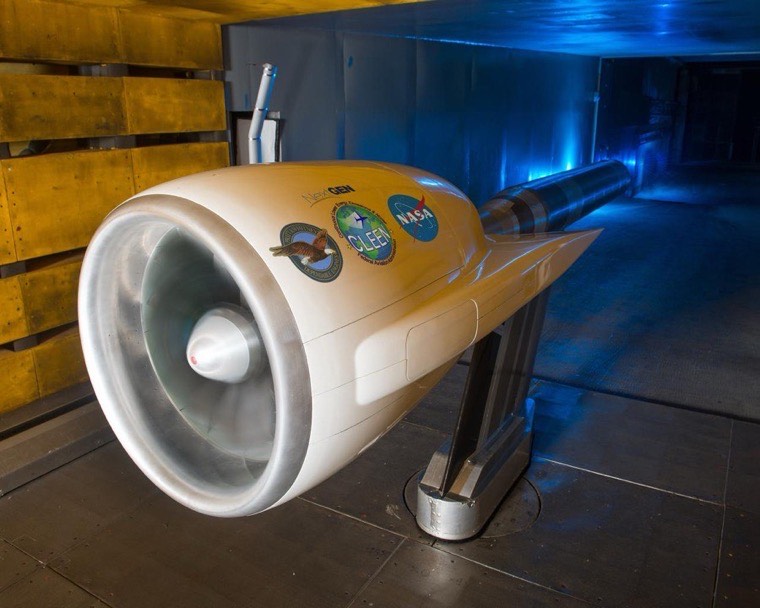
- The GE9X has the largest fan of any commercial engine at 134 inches, and roughly 300 additively manufactured parts.
- The GE90 fleet is ageing into heavier shop visits as 777-200ERs are flown past their planned retirement.
Engine card
| Variants | GE90-115B, GE9X-105B1A |
| Architecture | Two shaft turbofan. 128 inch fan on the GE90, 134 inches on the GE9X |
| Thrust | 115,000 lbf on the GE90-115B, 110,000 lbf on the GE9X |
| Applications | 777 and 777F on the GE90, 777X on the GE9X |
| Built by | GE Aerospace |
| Status | GE90 in production under waiver, GE9X in production |
Program and production
These two engines are a generation apart on the same airframe family, and both are waiting on Boeing rather than the other way round.
The GE9X received FAA certification in 2020 and the first production engine was delivered to Boeing in 2024. The engine has been ready for years. The 777-9 has not: the FAA has signalled it will not certify the aircraft in 2026, pushing certification and first delivery into 2027, roughly seven years behind the original plan. Boeing attributes the delay to the certification process rather than to any new technical issue.
Meanwhile the older engine got a reprieve. The FAA approved Boeing's request for an exemption from the ICAO emissions standard taking effect on 1 January 2028, which would otherwise have stopped new 777F certificates of airworthiness from that date. The exemption allows up to 35 more 777Fs to be sold through 1 January 2031, bridging the gap until the 777-8F arrives. Since the 777F is currently the only large widebody freighter in production, that waiver keeps GE90 production running years longer than planned.
Technical and maintenance
In plain terms
Additive manufacturing, often called 3D printing, builds a part up in layers from powder rather than machining it from a block or casting it. It allows internal shapes that cannot be machined, such as cooling passages inside a turbine part, and it lets several components be made as one piece. Around 300 parts in each GE9X are made this way.
On the line
On the GE90, the maintenance story is now about age rather than new findings. The 777-200ER fleet in particular is being flown well past the point many operators planned to retire it, because 787 and 777X deliveries have not arrived. Work that would have been deferred to end of life now has to be done properly, and GE90 shop visit scheduling deserves earlier planning than it did five years ago. On the GE9X, expect the usual early service learning curve once the fleet starts accumulating hours, and treat initial published intervals as provisional.
Applications and fleet
The GE90-115B is the sole engine on the 777-300ER, 777-200LR and 777F, which is why its fate is tied so directly to Boeing's freighter line. The GE9X is the sole engine on the 777-8, 777-9 and 777-8F.
Sole source on both generations means GE carries no competitive risk on this airframe, but also that it absorbs the full cost of every programme delay. Seven years of 777X slippage is seven years of deferred GE9X revenue.
The first 777-8F rolled out of final assembly at Everett in April 2026 for Cargolux, with first delivery targeted for 2028.
Safety
No significant developments since 11 October 2026.
No Airworthiness Directive of fleet wide significance was issued against either engine in this period.
Sources
- GE Aerospace, "GE9X Engine Achieves FAA Certification", 2020. https://www.geaerospace.com/news/articles/product/ge9x-engine-achieves-faa-certification
- Metal AM, "GE Aerospace's first production GE9X engine delivered to Boeing", 2024. https://www.metal-am.com/ge-aerospaces-first-production-ge9x-engine-delivered-to-boeing/
- Leeham News and Analysis, "FAA Approves 35 more Boeing 777Fs, But There are Challenges", 17 September 2026. https://leehamnews.com/2026/09/17/faa-oks-35-more-boeing-777fs-but-there-are-challenges/
- Leeham News and Analysis, "Examining Why Boeing's 777X Certification Timeline Is Likely Slipping", 17 September 2026. https://leehamnews.com/2026/09/17/examining-why-boeings-777x-certification-timeline-is-likely-slipping/
- GE Aerospace, "GE9X Engine", product reference, 2026. https://www.geaerospace.com/commercial/aircraft-engines/ge9x