Airworthiness directive
FAA orders repeat autothrottle checks on Boeing 737NGs after spoiler sensor review
A new FAA rule orders repeated flight control checks on part of the 737NG fleet after a review found a hidden sensor fault could mask uneven thrust between the two engines.
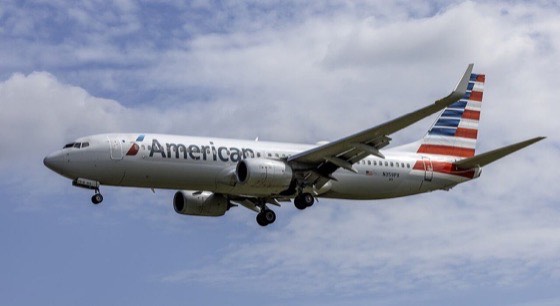
The FAA adopted Airworthiness Directive 2026-23-04 on 20 November 2026, ordering repeated aileron built in test equipment checks of the digital flight control system on certain Boeing 737-600, -700, -700C, -800 and -900 aircraft, according to the Federal Register. The rule follows a review of the autothrottle's cruise thrust split monitor, the system that watches for uneven thrust between the two engines once the aircraft levels off in cruise.
The review found that bad or missing data from a spoiler sensor could go unnoticed and keep that monitor from activating when it should. AeroCorner and Air Data News both reported the finding, citing the same Federal Register text.
In plain terms
The thrust split monitor warns the crew if one engine produces noticeably less thrust than the other, a condition that can otherwise go unnoticed until it becomes a handling problem. A fault that hides from the monitor defeats the safeguard rather than triggering it.
The directive requires repeated aileron BITE checks under Boeing Alert Safety Advisory 737-BSA-22-001. A failed check must be corrected and retested until it passes. The FAA estimates roughly 300 US registered aircraft are affected, issued the rule without a prior comment period given the short compliance time, and is taking comments for 45 days after publication.
The FAA ordered similar repeat tests on 737 Classic aircraft in 2022 after a comparable sensor concern. The new NG directive cites no specific accident and does not claim the two types share the same fault.
On the line
Check fleet records now for Boeing Alert Safety Advisory 737-BSA-22-001 effectivity and schedule the aileron BITE check into the next line check rather than waiting for a forced removal. A failed check is not cleared to fly until it is corrected and retested, so build that contingency into crew and maintenance planning ahead of the compliance date.
Sources
- Federal Register, "Airworthiness Directives; The Boeing Company Airplanes", AD 2026-23-04, Amendment 39-23521, published 20 November 2026. https://public-inspection.federalregister.gov/2026-23697.pdf
- AeroCorner, "FAA Orders Repeat Tests on 737NGs Over Hidden Spoiler Sensor Faults That Could Disable the Thrust Split Monitor", November 2026. https://aerocorner.com/news/faa-737ng-cruise-thrust-split-monitor-spoiler-sensor-ad/
- Air Data News, "FAA orders repeated Boeing 737 NG checks over autothrottle safety concern", November 2026. https://www.airdatanews.com/faa-orders-repeated-boeing-737-ng-checks-over-autothrottle-safety-concern/